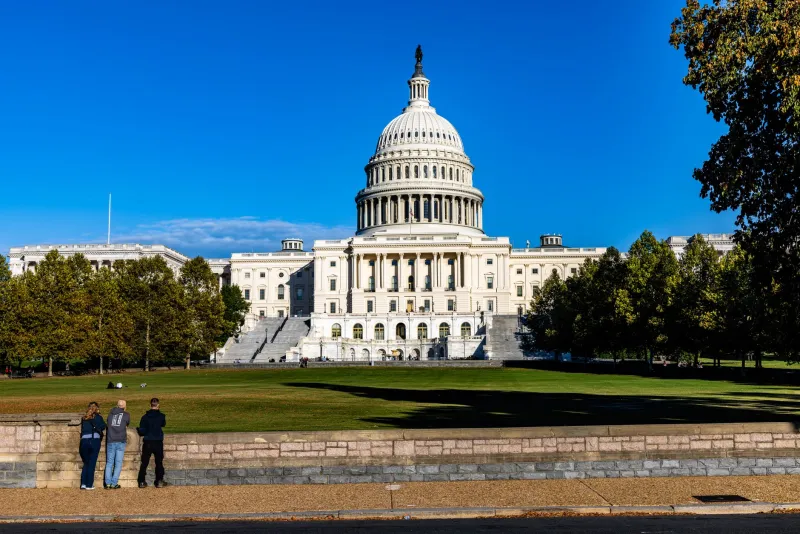
Silicon Valley's Secret Weapon: The Former Lawmakers Who Now Protect Big Tech From Washington
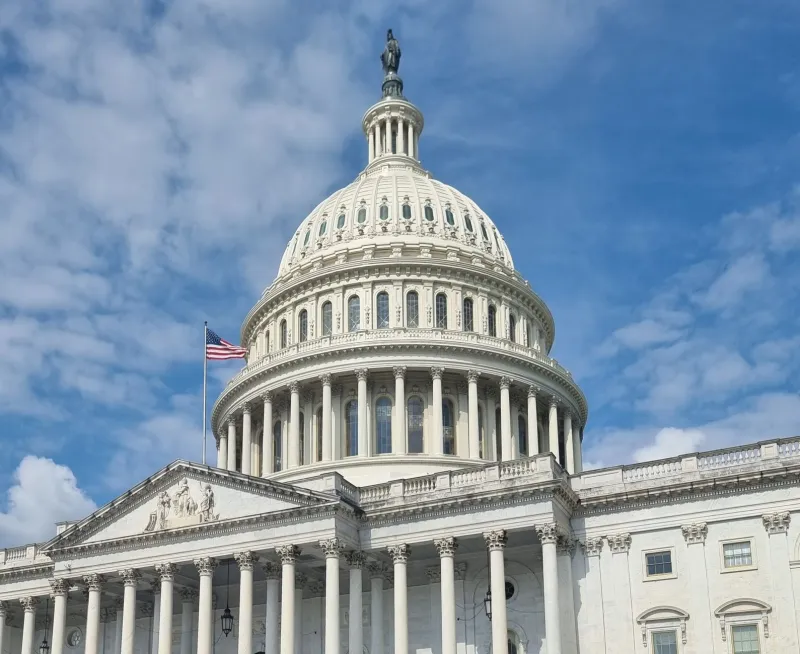
When a congressional hearing on data privacy concludes and the cameras shut off, the real negotiation often begins — not in a committee room, but in the offices of lobbyists who once occupied those same seats. A quiet but consequential migration has been reshaping the relationship between Washington and the technology industry for more than a decade, as former members of Congress trade their gavels for retainer agreements with the very companies their committees once scrutinized.
VIS News reviewed federal lobbying disclosures, financial disclosure records, and congressional testimony logs to trace the careers of dozens of former lawmakers who have accepted positions within or on behalf of major technology corporations. The pattern that emerges is not merely one of individuals seeking lucrative second acts — it is a systematic transfer of institutional knowledge that fundamentally tilts the regulatory playing field.
The Price of Institutional Memory
Under the Lobbying Disclosure Act, former members of the House must observe a one-year cooling-off period before formally lobbying their former colleagues. Senators face a two-year restriction. What these rules do not prohibit, however, is serving as a "policy advisor," a "strategic consultant," or a "government affairs executive" — titles that allow former legislators to apply their expertise without triggering formal registration requirements, at least initially.
The compensation attached to these roles is striking. While a senior member of Congress earns $174,000 annually, technology companies routinely offer former lawmakers packages ranging from $500,000 to well over $1 million per year, according to financial disclosures reviewed by VIS News. The premium is not for generic business acumen. It is, explicitly and specifically, for access and comprehension — an understanding of how committee chairs think, which staff directors hold real power, and where procedural leverage points exist within the legislative process.
"You are not hiring a lobbyist in the conventional sense," said one former Hill staffer who now works at a Washington consulting firm. "You are purchasing a mental map of the institution — one that took twenty years and millions in taxpayer-funded salaries to build."
Case Studies in Transition
The transitions are neither rare nor obscure. Several former members who served on the House Energy and Commerce Committee — the panel with primary jurisdiction over technology and telecommunications policy — have accepted senior roles at major platforms or the trade associations that represent them. The committee's jurisdiction encompasses data privacy legislation, content moderation standards, and antitrust enforcement referrals, making its alumni uniquely valuable to an industry that has faced sustained scrutiny on all three fronts.
One former Republican chairman of a key technology subcommittee departed Congress and, within eighteen months of his cooling-off period's expiration, registered as a lobbyist for a coalition that included major social media companies. His client list materialized at precisely the moment Congress was debating landmark privacy legislation — a bill that, after years of bipartisan momentum, ultimately stalled. Former colleagues who worked on that legislation described receiving outreach from the ex-chairman that was notable for its precision: he knew which members were genuinely persuadable, which were performing for constituents, and which amendments would fracture the coalition supporting the bill.
On the Democratic side, a former senior member of the Senate Commerce Committee accepted a position as head of global policy at a major cloud computing firm shortly after leaving office. Within two years, that firm's federal lobbying expenditures had increased substantially, and the company had successfully navigated a Federal Trade Commission inquiry without facing formal action.
VIS News is not suggesting that either individual acted illegally. Both complied with applicable waiting periods. The concern is structural, not merely personal.
The Anatomy of Unfair Advantage
What distinguishes the revolving door between Congress and the technology sector from ordinary professional mobility is the specificity of the advantage conferred. Regulatory agencies employ experts. Think tanks cultivate policy knowledge. Law firms develop legal strategy. But former lawmakers bring something none of these institutions can replicate: direct, personal relationships with sitting members and staff, combined with a granular understanding of the unwritten rules that govern legislative behavior.
They know, for instance, that certain committee chairs will not move a bill without a specific industry sign-off. They know which ranking members are susceptible to arguments framed around rural broadband rather than consumer protection. They know the precise moment in the appropriations cycle when a well-placed phone call can delay an agency's enforcement budget. This knowledge is not theoretical — it was acquired through years of participation in the process that technology companies now seek to influence.
Ethics watchdogs have long argued that existing cooling-off periods are inadequate. The two-year Senate restriction and one-year House restriction were designed for a lobbying environment that predates the modern technology industry's scale and sophistication. Critics contend that a former lawmaker's value to a tech giant does not diminish after two years; if anything, their relationships with colleagues who remain in office deepen as those colleagues accumulate seniority.
Regulatory Capture by Another Name
The consequences of this dynamic extend beyond any individual piece of legislation. When the architects of oversight become the defenders of the overseen, the institutional capacity of Congress to conduct genuine accountability is steadily eroded. Staffers who might otherwise build expertise in technology policy observe the career trajectories available to them and make rational choices about where to invest their professional development. The pipeline does not merely extract talent from the public sector — it shapes the ambitions of those who remain.
Several current congressional staffers, speaking on condition of anonymity, told VIS News that awareness of post-Hill employment prospects in the technology sector influences the advice they provide and the relationships they cultivate. None described explicit corruption. All described a gravitational pull that is difficult to resist and rarely discussed openly.
Meanwhile, the companies that have most aggressively recruited former lawmakers — those facing the most serious antitrust, privacy, and content moderation scrutiny — have also been the most successful at preventing comprehensive federal legislation from reaching a floor vote. Correlation does not establish causation. But the consistency of the pattern warrants scrutiny that has, to date, been largely absent from public debate.
What Reform Would Require
Proprosals to extend cooling-off periods, expand the definition of lobbying activity, or restrict former members from accepting employment with companies that appeared before their committees have circulated in good-government circles for years. None has advanced meaningfully through the legislative process — a fact that requires little explanation given who would be responsible for passing such restrictions.
Public financing advocates argue that reducing lawmakers' financial dependence on post-congressional employment is a prerequisite for any durable reform. Others contend that stricter disclosure requirements, including mandatory public reporting of all compensated advisory relationships regardless of whether they trigger formal lobbying registration, would at minimum make the scope of the problem visible.
What is not in dispute is the scale of the phenomenon or the sophistication with which it operates. Silicon Valley did not build its political infrastructure by accident. It was constructed, in significant part, from the institutional knowledge of the people voters elected to oversee it — and the market for that knowledge shows no signs of softening.