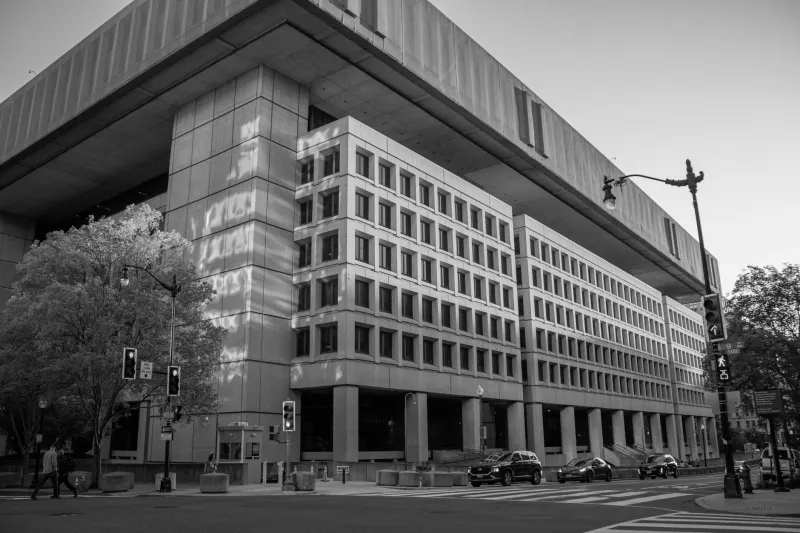
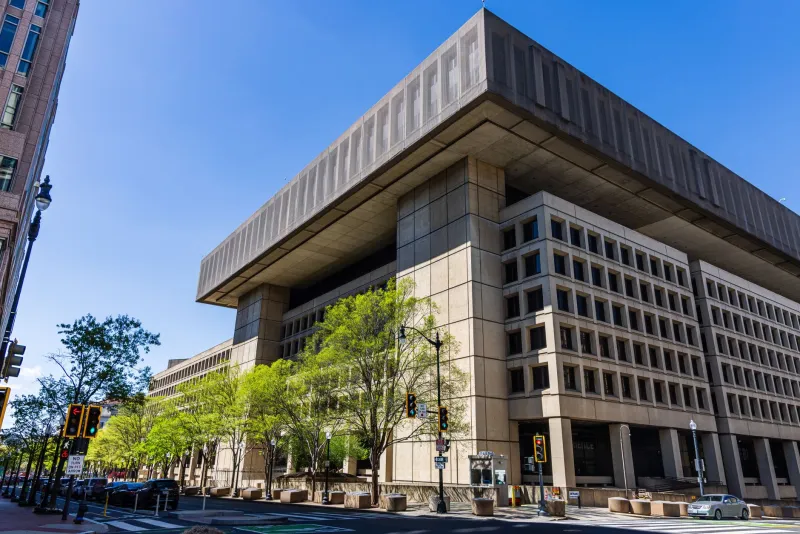
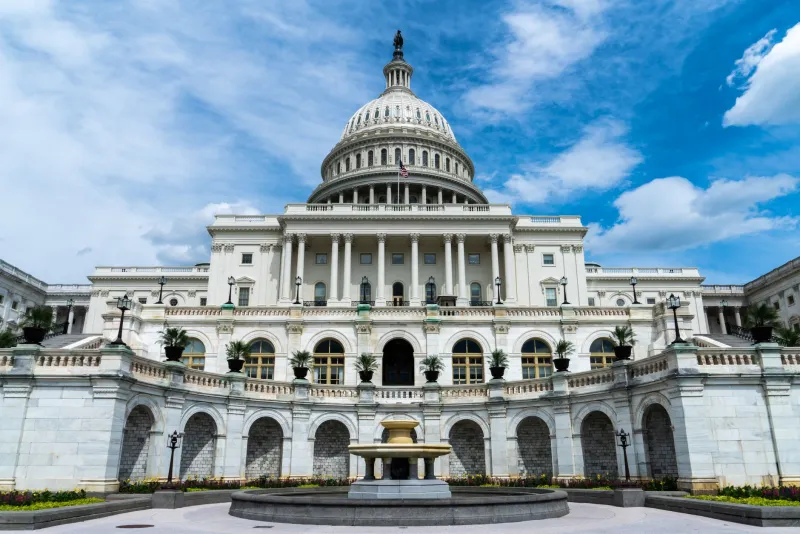
Prosecution for Hire: When the Nation's Top Corporate Cops Switch Sides
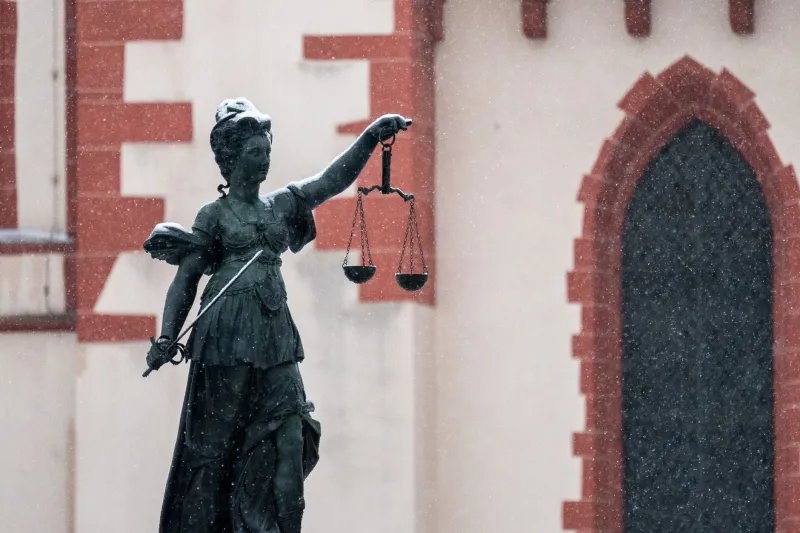
For years, the Justice Department's fraud divisions and U.S. Attorney offices across the country cultivated a reputation for pursuing powerful institutions—major banks, pharmaceutical conglomerates, and defense contractors—with a vigor that made headlines and, occasionally, changed behavior. That reputation, however, has always carried a quiet asterisk. The prosecutors who built those cases rarely stayed long enough to see their work institutionalized. Many departed for private practice, carrying with them something more valuable than a government pension: an intimate understanding of how enforcement decisions are made, who makes them, and how those decisions can be influenced.
This is not a story about corruption in any simple sense. No laws are broken when a former Assistant U.S. Attorney joins a white-collar defense firm. No ethical rule is automatically violated when an ex-DOJ official testifies before a Senate subcommittee on behalf of a financial industry trade group. The story is subtler, and in many ways more troubling: it is about a structural feature of the American legal system that consistently advantages the institutions with the deepest resources to recruit former government talent—and what that dynamic means for the integrity of criminal justice policy.
The Anatomy of the Transition
The journey from federal prosecutor to corporate defender follows a well-worn path. Attorneys typically spend between five and twelve years in government service, developing expertise in a specific area—securities fraud, healthcare billing abuse, foreign corruption—before departing for partnerships at major law firms or in-house counsel roles at the corporations whose industries they once policed. Compensation frequently increases by a factor of five or more upon departure.
What makes this transition distinctive, compared to the broader phenomenon of the regulatory revolving door, is the depth of the institutional knowledge involved. A prosecutor who spent a decade building financial fraud cases does not merely understand the law in the abstract. They understand which investigative techniques the government deploys, how charging decisions are made internally, which evidentiary thresholds are typically required before a case proceeds to indictment, and—critically—which former colleagues now occupy the senior positions in the agencies they are negotiating with.
That last point deserves emphasis. The federal legal community, particularly at the senior level, is a small world. Relationships forged in U.S. Attorney offices and main Justice divisions persist across careers. When a former chief of the DOJ's Criminal Division calls a current division director to discuss the parameters of a potential deferred prosecution agreement, the conversation occurs between people who have known each other professionally for decades. That familiarity is not inherently improper. But it is a form of access that no outside attorney—however technically skilled—can fully replicate.
Case Studies in Institutional Memory
Consider the pharmaceutical sector, where enforcement actions under the False Claims Act have resulted in billions of dollars in settlements over the past two decades. Several of the attorneys who negotiated the government's most significant recoveries in this area subsequently joined the legal and compliance teams of major drug manufacturers. In at least three documented instances examined by VIS News, former prosecutors who had directly overseen investigations of specific companies later appeared in advisory roles at those same companies within the standard two-year cooling-off period's shadow—technically compliant with federal ethics rules, but operating in advisory capacities that fell outside the regulations' direct prohibitions.
The financial services sector presents a parallel pattern. Following the post-2008 wave of prosecutorial activity targeting mortgage fraud and securities violations, a number of senior DOJ attorneys who had been publicly identified with aggressive enforcement postures transitioned to major Wall Street law firms. Several subsequently submitted comment letters on behalf of financial industry clients during rulemaking processes at the Securities and Exchange Commission and the Consumer Financial Protection Bureau—rulemaking processes that directly affected the enforcement standards their former offices had championed.
None of these individuals necessarily acted improperly. Ethics disclosures, where required, were filed. Recusal obligations, where they applied, were observed. Yet the cumulative effect of these individual transitions is a policy environment in which the institutional memory of federal enforcement—the granular knowledge of how agencies think, prioritize, and decide—flows systematically toward the private sector.
The Policy Feedback Loop
The consequences extend beyond individual cases. Former prosecutors who become prominent defense attorneys and policy advocates do not merely represent clients; they shape the broader discourse around enforcement priorities. They testify before Congress, publish in legal journals, advise think tanks, and participate in bar association working groups that produce model legislation and sentencing guidelines.
This creates what legal scholars have described as a policy feedback loop. Enforcement frameworks are built in part by prosecutors who know they may eventually be defending against those same frameworks. The incentive structure does not demand conscious corruption—it simply rewards the crafting of enforcement regimes that are, at the margins, more navigable for well-resourced defendants. Prosecutorial discretion, deferred prosecution agreements, and non-prosecution agreements are all tools that, in practice, benefit parties capable of retaining the most sophisticated legal talent. Former prosecutors, once in private practice, become advocates for expanding and preserving exactly these instruments.
Sentencing policy offers another dimension of this dynamic. Several attorneys who served in senior positions at the U.S. Sentencing Commission or in DOJ offices with significant sentencing authority subsequently joined advocacy organizations or law firms that have pushed for reduced corporate penalties, arguing—often with genuine intellectual consistency—that harsh sentences fail to deter institutional misconduct. Whether or not that argument is correct on the merits, the career trajectory of those making it deserves scrutiny.
What Reform Would Require
Addressing this structural problem is considerably more difficult than addressing straightforward conflicts of interest. The knowledge and relationships that make former prosecutors valuable to private clients cannot be legislated away; they are inherent in the experience of public service. Extending cooling-off periods—currently set at one or two years depending on the position—would delay transitions but would not fundamentally alter the underlying dynamic.
More substantive reforms might include mandatory disclosure requirements for former prosecutors appearing in advisory or lobbying capacities before their former agencies, even when those appearances fall outside existing registration thresholds. Enhanced transparency around deferred and non-prosecution agreements—including public disclosure of the legal teams involved on both sides—would allow outside observers to identify potential conflicts that current reporting requirements obscure.
Some legal ethics scholars have proposed recalibrating the definition of "substantial and particular" matters under federal conflict rules to capture a broader range of advisory and policy advocacy roles. Others argue that the problem is fundamentally one of compensation: as long as the gap between government and private-sector pay for senior legal talent remains as wide as it is, the pipeline will continue to flow in one direction.
The Visibility Problem
Perhaps the most significant obstacle to reform is the one that defines this issue: it is almost entirely invisible to the public. Unlike a campaign contribution or a registered lobbying contact, the influence exerted by a former prosecutor who calls a current colleague to discuss enforcement strategy leaves no public record. The expertise transferred when a veteran DOJ attorney joins a corporate compliance team generates no filing, no disclosure, no searchable database entry.
America's criminal justice system depends, at its foundation, on a broadly shared belief that its processes are insulated from the distortions of private wealth and institutional power. That belief is difficult to sustain when the architects of enforcement policy routinely become its most sophisticated opponents—not through any dramatic betrayal, but through the quiet, structurally incentivized logic of a career well managed.