Let the Record Show Nobody Read It: Congress and the Art of the Unsigned Bill
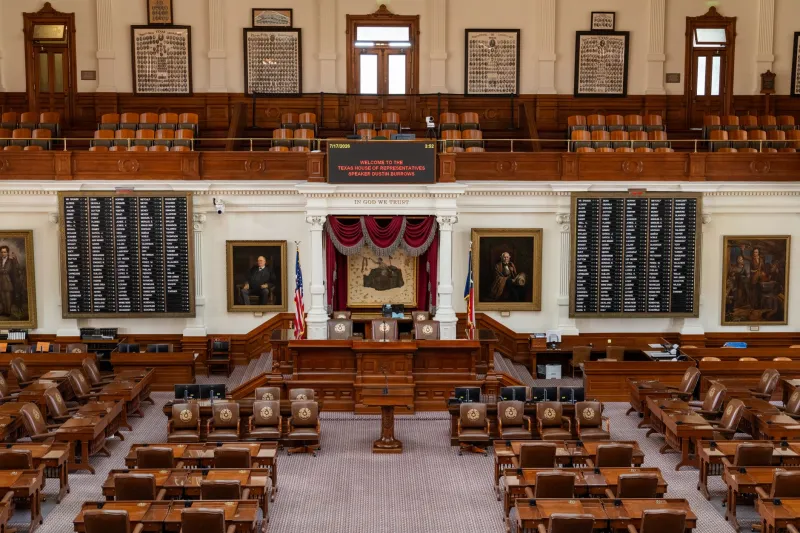
There is a ritual Americans have come to recognize: a thousand-page bill posted online at midnight, a floor vote within 72 hours, and a member of Congress explaining, with a straight face, that they had not finished reading it. The excuse is treated as an embarrassment. It should be treated as a diagnosis. The reading problem is downstream of a drafting problem — and the drafting problem is the real scandal.
The Hollowing of the Legislative Draftsman
For most of the twentieth century, Congress maintained the institutional muscle to translate policy intent into statutory text. Committee staff were career professionals. The Office of the Legislative Counsel — a small, nonpartisan office of lawyers who convert ideas into bill language — served both chambers. Members disagreed furiously about policy but operated from drafts produced inside the institution.
That capacity has eroded. Committee staff sizes have stagnated or shrunk even as the complexity of the federal code has grown. The earmark moratorium of 2011, sold as an anti-corruption measure, had an unanticipated side effect: it severed the direct, transparent relationship between members and the specific projects in their districts, pushing that work into agencies and, eventually, back to lobbyists operating without any paper trail at all.
Into the vacuum stepped outside counsel. Industry lawyers and trade association staff now routinely produce actual legislative text — not suggestions, not memos, but bill-ready language that committee staff, stretched thin, adopt nearly verbatim. Former members have said so openly. Former aides have confirmed it on the record. The practice is so normal that nobody bothers to hide it.
Why This Is Worse Than Lazy Lawmakers
It is tempting to file this under congressional dysfunction and move on. But the drafting pipeline matters because of where discretion lives. Whoever writes the operative language decides what the ambiguity says, which agency gets jurisdiction, which exemption survives, and which footnote becomes a lawsuit a decade later. A member who cannot read the bill certainly cannot negotiate its fine print. Only the drafter knows what is in there.
This is why trillion-dollar packages can sail through with provisions no member voted on knowingly — and why the corrections arrive later, as agency rulemakings and court decisions, made by people no one elected.
A Reform Agenda That Doesn't Require Constitutional Amendments
The fixes are unglamorous and achievable, which is precisely why they never happen. Start with three:
Rebuild the drafting capacity. Fund the Legislative Counsel and committee staff at levels commensurate with the executive branch's legal apparatus. Congress employs a fraction of the lawyers that the agencies it oversees employ. That asymmetry is a policy choice.
Disclose outside drafters. Require any bill text contributed by a registered lobbyist or outside organization to be logged publicly — a simple attestation, attached to the bill, naming who wrote what. Sunlight here costs almost nothing and changes negotiating behavior immediately.
Mandate a reading period. Legislation above a page threshold should sit in final form for a fixed period — 72 hours for routine bills, longer for omnibus packages — before a vote. Emergency exceptions can exist, but they should be rare, named, and voted on separately.
The Institutional Stakes
Critics will say these rules slow down an already sluggish Congress. But speed is not the same as productivity. A Congress that passes unread bills is not efficient; it is delegating. Every unread page is a transfer of lawmaking authority to whoever wrote the text and to the executive branch that interprets it afterward.
The founders gave the legislative branch the pen for a reason. Congress should take it back — or admit, honestly, that the lobbyists already have it.